Building an Office Coffee Culture
How premium coffee solutions can improve team collaboration and morale.
Coffee: The Fuel of the Modern Workforce
Coffee is not just a beverage; it is a utility. It is as essential to the modern office as high-speed internet and ergonomic chairs. A study by the National Coffee Association found that 64% of Americans drink coffee daily, and the workplace is the second most common place for consumption after the home. But the days of a stale pot of Folgers sitting on a burner for four hours are gone. Today's employees are "coffee educated." They know the difference between a dark roast and a light roast, they appreciate a good crema on their espresso, and they care about sustainability. An upgraded office coffee service (OCS) is one of the most visible and appreciated perks you can offer.
1. The Technology: Bean-to-Cup vs. The Rest
When selecting a coffee system, you generally have three categories. Understanding the pros and cons of each is step one.
The Gold Standard: Bean-to-Cup
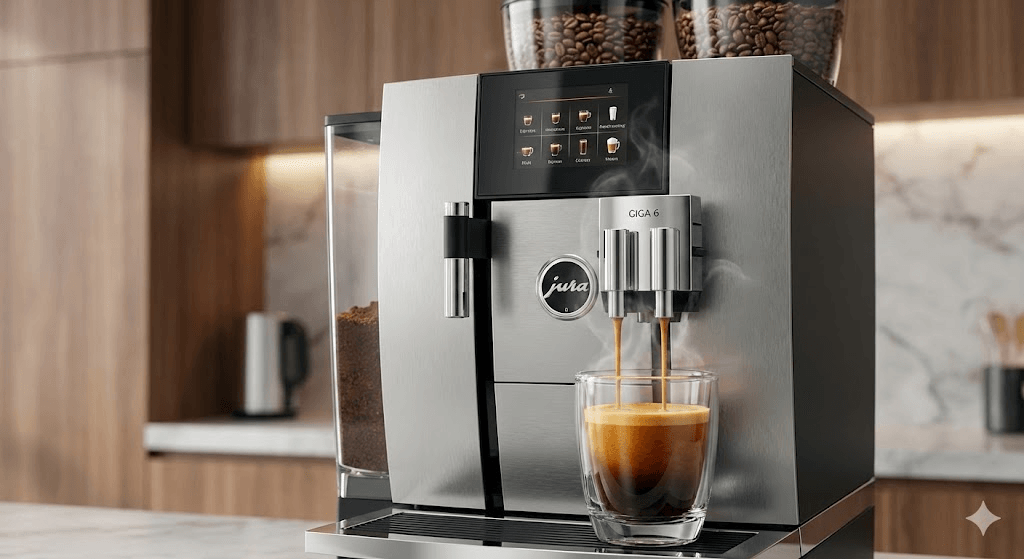
This is the fastest-growing segment in OCS. A bean-to-cup machine (like those from Jura, Cafection, or de Jong DUKE) is essentially a robot barista. It has hoppers on top filled with whole roasted beans. When you press a button—say, for a "Mocha Latte"—the machine grinds the beans instantly, tamps the grounds, brews the espresso under high pressure, froths the milk (fresh or powdered), and dispenses a perfect cup in under 60 seconds.
Pros: Unmatched freshness, high "wow" factor, eco-friendly (no plastic pods).
Cons: Higher upfront cost, requires daily cleaning of milk lines.
The Convenient Choice: Single-Serve (Pod/Capsule)
Systems like Keurig or Flavia use pre-packaged pods.
Pros: Infinite variety (everyone can pick their own flavor), zero cleanup, low upfront equipment cost.
Cons: High cost per cup ($0.50 - $0.80), environmental waste (plastic pods), lower coffee quality compared to fresh ground.
The Volume Workhorse: Thermal Brewers
The classic drip coffee maker, but upgraded. Instead of glass pots on burners (which burn the coffee), these brew directly into large, insulated thermal airpots that keep the coffee hot and fresh for hours without cooking it.
Pros: Lowest cost per cup, fastest for serving large meetings.
Cons: Limited variety, potential for waste if the whole pot isn't drunk.
High-quality coffee machines are a focal point of the modern breakroom.
2. The Beans: Sourcing and Sustainability
The machine is only the delivery vehicle; the fuel is the bean. Corporate social responsibility (CSR) is huge right now. Employees care where their coffee comes from.
- Fair Trade & Organic: Offering certified Fair Trade coffee ensures that the farmers were paid a living wage. This is a strong talking point for your company culture.
- Local Roasters: Partnering with a local coffee roaster (e.g., "We serve beans from [Local City] Roasting Co.") adds a cool, community-focused vibe to your breakroom. It supports the local economy and usually guarantees fresher beans than national brands.
- Roast Profiles: You can't please everyone with one bean. A good program offers at least two options: a Light/Medium Roast (higher caffeine, brighter, acidic notes) and a Dark/Espresso Roast (bold, smoky, lower acidity).
3. The "Third Place" Effect
Starbucks built an empire on the concept of the "Third Place"—a social space between work and home. Your breakroom can be that Third Place. By investing in a high-quality coffee machine, nice seating, and maybe some ambient music, you create a social hub. This is where cross-departmental collaboration happens. It's where the marketing guy talks to the engineering girl while waiting for their lattes and solves a problem they didn't know they had. The ROI of these serendipitous interactions is immeasurable.
4. Cost Analysis: The "Starbucks Run" Math
Why should a CFO approve a $5,000 coffee machine? Do the math on the "Starbucks Run."
If an employee leaves the office to get coffee, they are gone for 20 minutes. If they earn $30/hour, that trip cost the company $10 in lost productivity. If 50 employees do that once a day, the lost time is astronomical.
By bringing the "coffee shop experience" in-house, you keep those employees on campus. Even if you give the coffee away for free (which costs you maybe $0.40/cup), you are saving thousands in lost productivity. It is one of the highest-ROI investments an office can make.
Frequently Asked Questions (FAQs)
Who cleans the machine?
Daily: Your internal janitorial staff or office manager usually handles the basic daily rinse (pushing a button) and wiping down the counter.
Weekly/Monthly: The vending/coffee service provider does the deep cleaning, de-scaling, and maintenance during their restocking visits.
Can we charge employees for the coffee?
Yes, but... Most bean-to-cup machines can be equipped with a card reader. However, charging for coffee is generally seen as "cheap" by employees. Most companies offer coffee as a free perk. If cost is an issue, consider charging for premium drinks (lattes) but keeping basic black coffee free.
What about non-coffee drinkers?
Don't forget them! A good OCS program includes a high-quality tea selection (herbal, black, green) and hot chocolate. Many bean-to-cup machines have a separate hopper for hot chocolate powder, which is a huge hit in the winter.
Does the machine need a water line?
Yes. High-end machines need to be plumbed into a water line for continuous operation. If a water line isn't available, some machines can run off a 5-gallon water jug with a pump system, but a direct line is preferred for consistency.