How to Start a Vending Business
Everything you need to know about launching your own profitable vending route, from choosing equipment to securing your first location.
A business you can start small and grow on your own terms
Vending is one of the few real businesses you can start part-time, with a few thousand dollars and a single machine, and grow into a full-time route. You buy or finance a machine, find a busy spot to put it, keep it stocked, and collect the difference between what you pay for product and what people pay you.
That's the whole model. The hard parts aren't the machines—they're finding good locations and staying disciplined about restocking and numbers. This guide walks the real path, with honest costs and the mistakes that sink most first-timers.
Start with the right machine—not the fanciest one
New operators love the idea of a sleek, touchscreen smart machine. Resist it for now. A reliable refurbished combo machine (snacks and drinks in one) costs $1,500–$3,000 and earns the same dollars in a good location as a $10,000 unit. Spend the savings on a second machine instead.
Buy new ($3,000–$8,000) when you've proven a location and want lower repair risk. Smart machines with cashless readers and remote tracking run $6,000–$15,000+—worth it once you're managing several sites and your time is the bottleneck, not your cash.
What it actually costs to start
Most people can launch one machine for $3,000–$5,000 all in. Here's where it goes—and what keeps eating money after the doors open.
One-time costs
- Machine: $1,500–$8,000 (used to new)
- First fill of product: $200–$500
- Delivery & install: $200–$500
- LLC & permits: $50–$150
- Repair reserve: $300–$500 set aside
Ongoing costs
- Restock product: ~50–60% of revenue
- Cashless processing: ~5–6% of card sales
- Liability insurance: ~$500/year
- Location commission: 0–15% where applicable
- Fuel & time: the cost people forget
Short on cash? Equipment financing and SBA microloans both work for vending, since the machine itself is collateral. Or skip the equipment bill entirely: through a placement program, the machine and service are provided at no cost and you focus on the route.
Location is the whole game
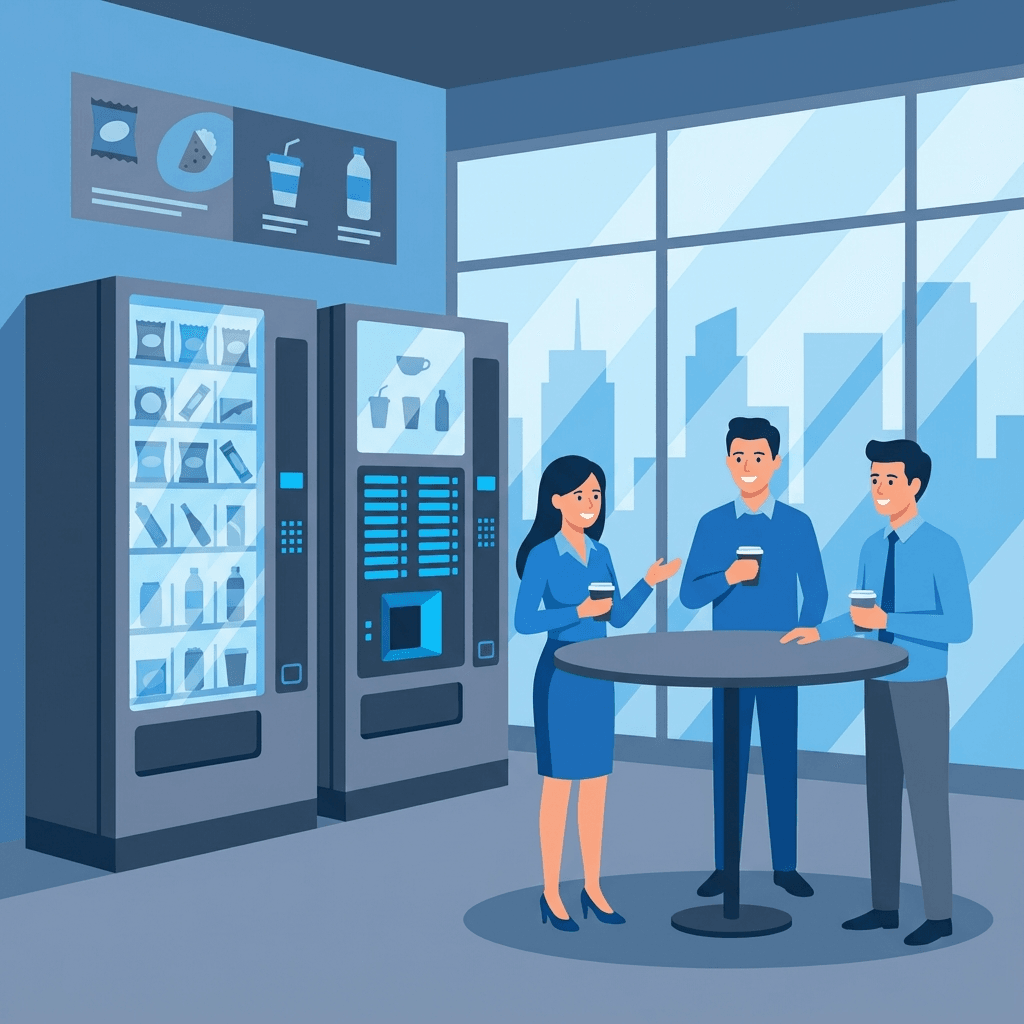
A great machine in a dead hallway loses money. An old machine outside a 40-person warehouse breakroom prints it. Foot traffic, a captive audience, and no nearby store—that's the formula. Offices, manufacturing plants, auto dealerships, gyms, and apartment buildings all qualify.
This is where most people stall. They buy a machine, then have nowhere good to put it. Line up the location first. Here's how to land one.
Build a short list
Drive your area. Note offices with 25+ employees, auto shops, gyms, warehouses, and apartment lobbies—anywhere people wait or work without a store nearby.
Talk to the decision-maker
Not the front desk. Ask for the office manager or owner. Your pitch is one sentence: a free machine, stocked and serviced by you, at no cost or work to them.
Make the offer easy to say yes to
No contract for the first 90 days. You handle everything. If it underperforms, you pull it. Most "no" answers are really "I don't want a hassle"—remove the hassle.
Confirm the details in writing
Power outlet location, access hours, who to call, and any commission. A one-page agreement protects both sides and makes you look like a pro.
Stock and price for margin
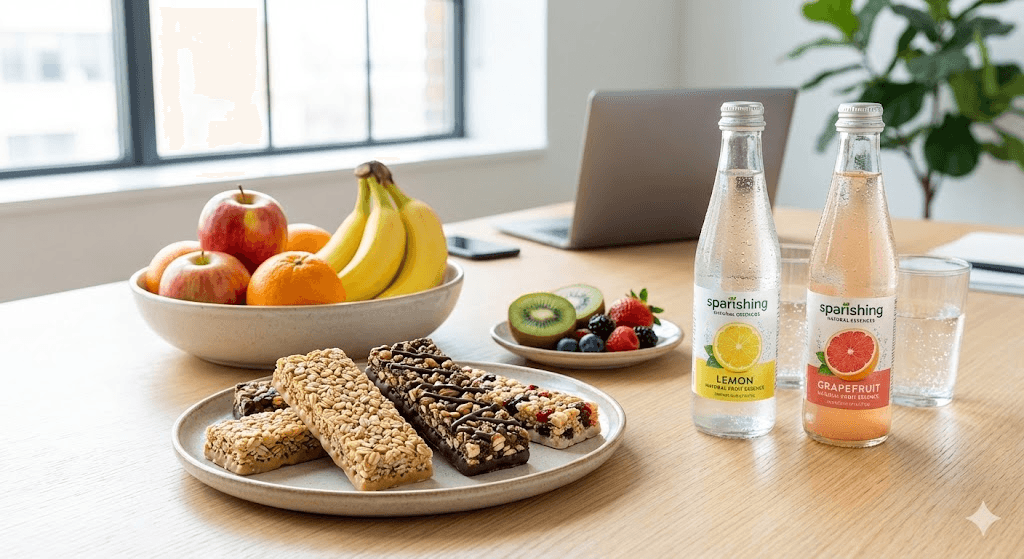
Buy product at warehouse clubs or a wholesaler, not the grocery store. Aim to sell at roughly double your cost—a snack that costs you $0.50 sells for $1.25–$1.50. Across a machine, that lands you in the 20–25% net range after processing and shrink.
Watch what actually sells. Pull the slow movers after two weeks and double down on the winners. Each location has its own taste: a gym wants protein and water, a warehouse wants energy drinks and salty snacks. Stock the spot, not your guess.
Running the route without it running you
A one-machine side hustle takes a few hours a week. The operators who burn out are the ones who drive to a machine, find it half-full, and waste the trip. Two habits fix that.
Go cashless early
A card reader costs a small monthly fee and 5–6% per card sale, and it lifts revenue 20–30% because people rarely carry cash. It also kills most theft and the headache of counting coins.
Let the data plan your trips
Machines with remote tracking tell you what's low before you drive out, so you restock on a schedule that fits the location instead of guessing. Fewer trips, fuller machines, more profit per mile.
When and how to scale
The first machine teaches you the business. Once it's consistently clearing $300+ a month, reinvest the profit into a second and third—same neighborhood if you can, so your route stays tight and your drive time stays low. Ten machines in a 20-mile radius beats ten machines spread across a state.
Past 15–20 machines, the limiter becomes finding locations, not buying machines. That's the point where most operators either hire a part-time stocker or partner with a group that feeds them qualified, pre-vetted locations so they can keep growing without cold-knocking doors every week.
Skip the hardest part—finding locations
American Vending Group connects operators with qualified, ready-to-go locations and equipment support, so you spend your time running the route instead of knocking on doors.
Join the Operator Network