Why Warehouses are Switching to Micro-Markets
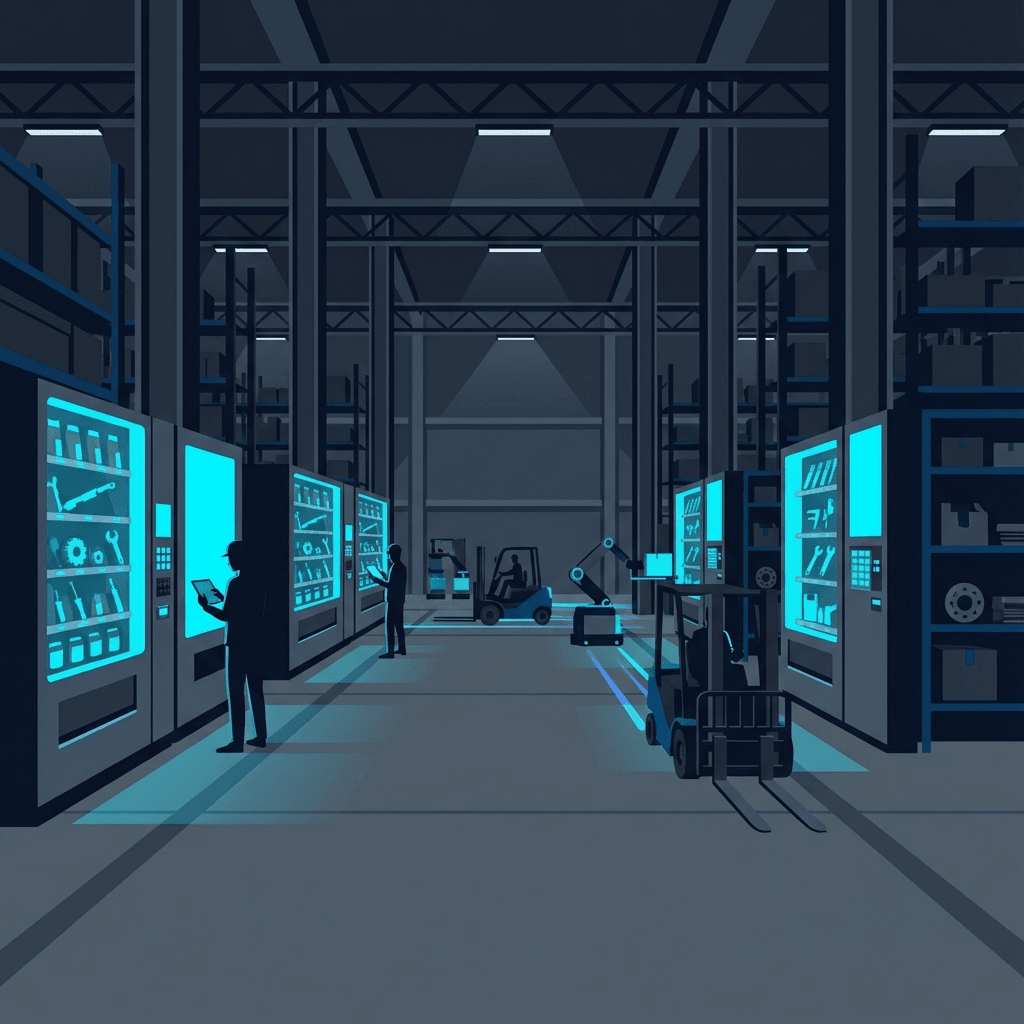
Replacing the 'breakroom cage' with an open-concept food market.
Feeding the Industrial Athlete
Warehouse workers are "industrial athletes." They walk miles a day and lift tons of weight. They need real food, not just a bag of chips. Traditional vending machines often struggle to vend large, hearty meals like subs or salads. The Micro-Market—an open-rack convenience store with self-checkout—is the solution.
1. Capacity for Real Meals
A micro-market uses open coolers, not coils. This means we can stock:
- Large Salads: In clamshell containers.
- Sub Sandwiches: Foot-long subs that would never fit in a spiral.
- Frozen Meals: Healthy Choice steamers, Lean Cuisines, or hungry-man dinners.
- Milk and Juice: Pints and quarts.
2. Speed of Service
In a 30-minute break, every second counts. Waiting for the person in front of you to feed dollar bills into a machine is frustrating. In a micro-market, multiple people can browse at once, and the self-checkout kiosk takes seconds. It reduces lines and gives workers more time to actually sit and eat.
Better food options lead to happier, more productive shifts.
3. The "Perk" Perception
Upgrading to a micro-market feels like a renovation. It makes the breakroom look modern and inviting. In a tight labor market, these quality-of-life improvements help with retention.
Frequently Asked Questions (FAQs)
What about theft?
Warehouses are secure environments with cameras everywhere. Theft in industrial micro-markets is surprisingly low (< 1%). We also install dedicated cameras over the market.
Is it expensive?
The operator covers the cost of the kiosk and coolers. The facility just provides power and internet.