High-Volume Vending for Warehouses
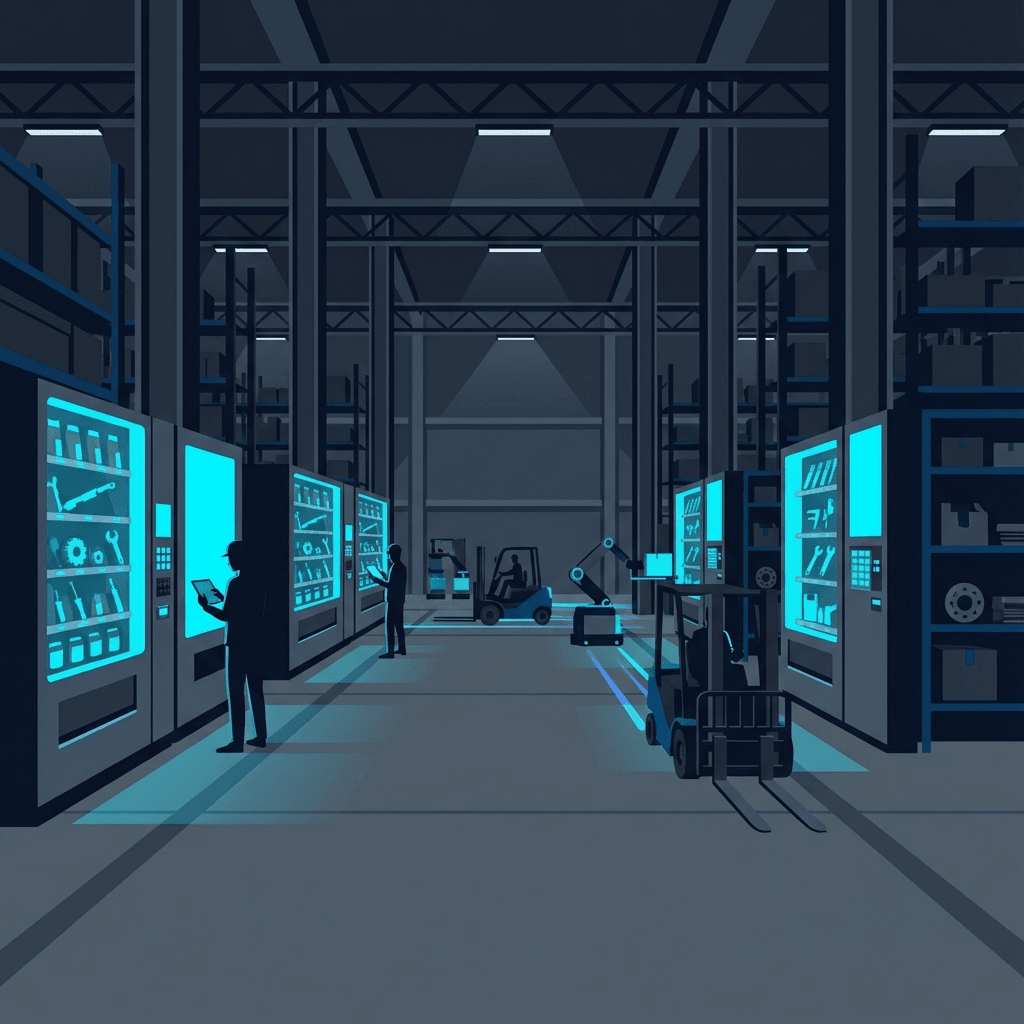
Rugged, high-capacity machines designed for 24/7 shifts and blue-collar appetites.
The Backbone of Industry
In a warehouse, manufacturing plant, or distribution center, the vending machine is not a luxury—it is a necessity. Shifts run 24/7. Workers are burning 3,000+ calories a day lifting boxes and operating machinery. They get a 15 or 30-minute break, which isn't enough time to drive to a restaurant. If your facility doesn't provide substantial food options on-site, morale drops, energy lags, and safety incidents can rise due to fatigue.
Industrial vending is about reliability, capacity, and substance. It's about ensuring that the guy working the 3 AM shift has access to the same quality food as the guy working the 9 AM shift.
1. High-Capacity, Rugged Machines
Standard office machines won't cut it in a dusty warehouse. We deploy Industrial-Grade machines designed for harsh environments.
- Reinforced Cabinets: Built to withstand bumps from forklifts and heavy usage.
- Sealed Cooling Units: Prevents dust and debris from clogging the compressor, ensuring the machine stays cold even in hot summers.
- High Capacity: These machines hold 30-50% more product than standard machines, reducing the frequency of "Sold Out" columns.
- Sure-Vend Technology: Infrared sensors detect if a product dropped. If it doesn't drop, the coil spins again or the money is refunded instantly. No more shaking the machine.
Keep your workforce fueled and focused, 24/7.
2. The "Real Food" Menu
A bag of chips isn't lunch. Industrial workers need meal replacements. Industrial vending machines are typically stocked with:
- Fresh Food: Sub sandwiches, cheeseburgers, burritos, and breakfast sandwiches.
- Frozen Options: Hot Pockets, White Castle sliders, and ice cream.
- High-Protein Snacks: Beef jerky, protein bars (Met-Rx, Gatorade bars), and nuts.
- Energy Drinks: Monster, Red Bull, and C4 are top sellers in these environments for obvious reasons.
- Hydration: Large 20oz Gatorades and waters to prevent dehydration on the floor.
3. PPE and Tool Vending
Vending isn't just for food anymore. Modern operators can install Asset Management Lockers or coil machines dedicated to dispensing Personal Protective Equipment (PPE) and tools.
Instead of a worker walking 10 minutes to the supply cage to get a pair of gloves (and chatting for another 10), they swipe their badge at a machine on the floor and get what they need in 30 seconds. This tracks usage, reduces waste (hoarding), and ensures compliance.
- Items: Gloves, safety glasses, earplugs, box cutters, batteries, drill bits.
- Tracking: You get a report of exactly who took what and when. If someone is taking 5 pairs of gloves a day, you'll know.
4. Payment Flexibility
Industrial workers often don't carry cash. Modern vending machines typically accept:
- Credit/Debit Cards: Visa, Mastercard, AMEX.
- Mobile Pay: Apple Pay, Google Wallet.
- Payroll Deduct: Many operators can integrate with your payroll system so employees scan their badge and have the cost deducted from their next paycheck — a huge perk for workers short on cash before payday.
Rugged machines built for the toughest environments.
Frequently Asked Questions (FAQs)
How often do you restock?
For high-volume warehouses (100+ employees), reputable operators often service machines daily or every other day, using telemetry to monitor stock levels in real-time.
What if a machine breaks at 2 AM?
Quality operators offer an emergency contact line. While a jammed coin may wait until morning, food-safety issues — like a cooler going down — are treated as priority calls. Industry-standard service agreements typically include next-business-day response for non-emergencies.
Can you vend company shirts/hats?
Yes. Many operators can set up a "Company Store" machine for rewards. Managers can give employees tokens or codes to redeem for company swag.