
Vending Security Protocols for Government Buildings
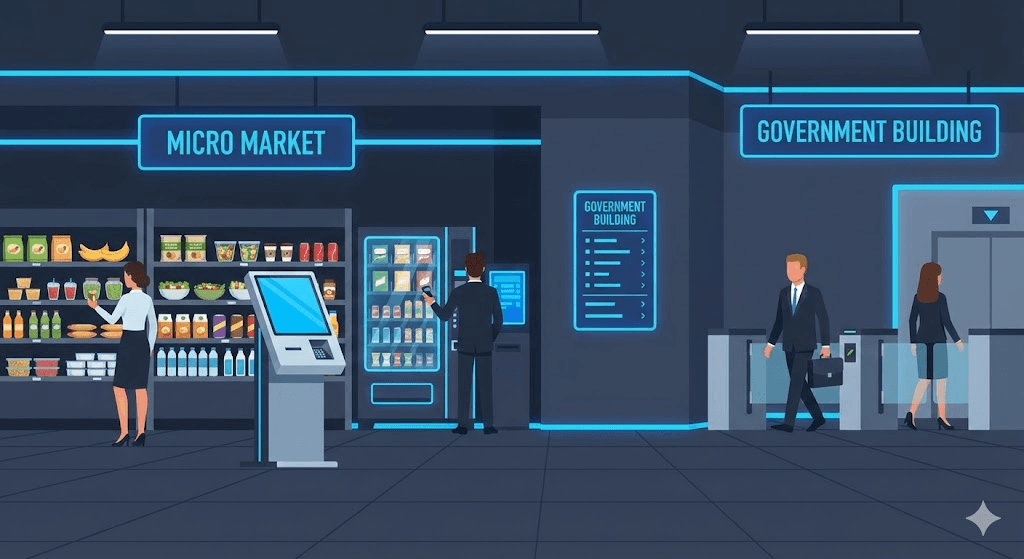
Clear bags, background checks, and tool control.
Operating Behind the Wire
Government and high-security facilities — courthouses, federal buildings, and military installations — require a fundamentally different level of service. "Just dropping by" isn't an option. Security is the #1 priority in these environments, and experienced operators are prepared for it.
1. Driver Vetting
Drivers assigned to government routes are typically subject to thorough industry-standard vetting, which may include:
- Background Checks: State and federal criminal history checks.
- Drug Testing: Random and pre-employment screening.
- Identity Verification: E-Verify or equivalent employment eligibility confirmation.
2. Physical Security
Bringing a large metal box (a vending machine) into a secure facility requires planning.
- X-Ray Screening: All product is screened before entering.
- Tool Control: Drivers must account for every screwdriver and wrench.
- Escorts: Operators serving high-security environments are experienced working alongside facility security personnel, including armed escorts where required.
We understand the protocols of secure environments.
3. Data Security
Modern vending machines use cellular connections (Verizon/AT&T) to process credit cards independently. They do not connect to or touch your internal secure network — the machines are completely air-gapped from your IT infrastructure.
Frequently Asked Questions (FAQs)
Can you service prisons?
Yes. Operators serving correctional facilities use specialized "anti-vandal" machines with Lexan fronts and reinforced locks designed for these environments.
What if a driver forgets their ID?
They don't get in. Reputable operators maintain strict internal credential policies to prevent service disruptions due to access issues.