Understanding the Randolph-Sheppard Act
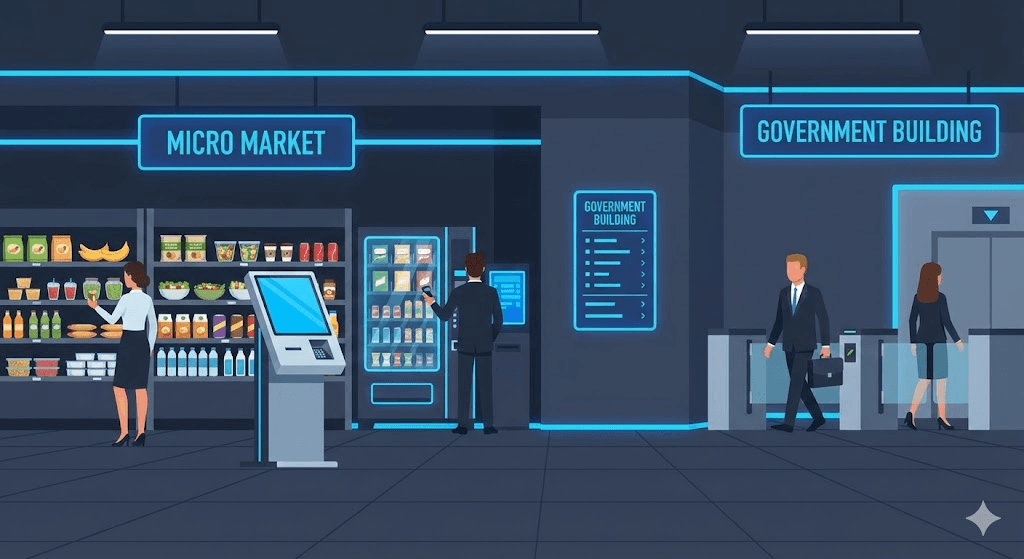
What facility managers need to know about blind vendor priority.
A History of Inclusion
Passed in 1936, the Randolph-Sheppard Act gives blind persons priority in the operation of vending facilities on federal property. Many states have "Mini-Randolph-Sheppard Acts" that extend this priority to state and municipal buildings. If you manage a government building, you are likely required by law to offer the vending contract to the state licensing agency for the blind first.
1. How the TPO Model Works
Many commercial vending companies are not blind vendors themselves. Instead, they often act as a "Third Party Operator" (TPO). The blind licensee holds the contract, but subcontracts the actual day-to-day operations (filling machines, repairs) to the TPO. The TPO pays a commission to the licensee, who then pays the state.
- Compliance: Your facility meets its legal requirements.
- Service: You receive modern machines and professional service from an experienced operator.
- Support: You support a program that provides employment to the visually impaired.
2. The RFP Process
If the state agency declines the location (usually because it's too small), you are free to put it out to bid. Experienced vending providers can help you draft an RFP that ensures you get high-quality equipment and healthy options.
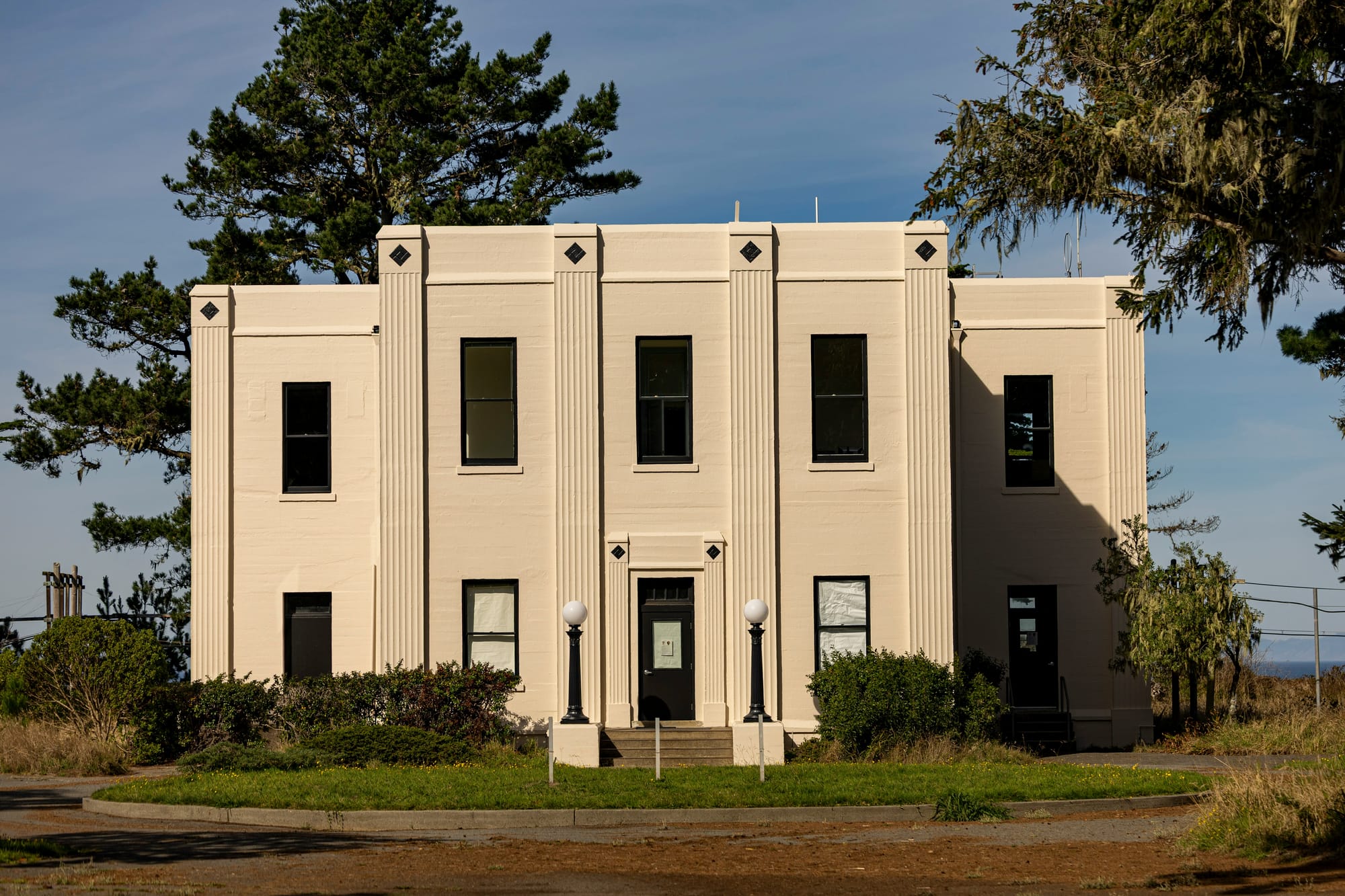
Navigating the legal landscape of government vending.
3. Why It Matters
Compliance isn't just about avoiding a lawsuit. It's about supporting an important social program. The best operators take pride in partnering with blind entrepreneurs to deliver top-tier service.
Frequently Asked Questions (FAQs)
Does this apply to my building?
If you are a federal or state entity, likely yes. If you are a city or county, it depends on your state laws.
Is the service worse?
No. By using a TPO model, you get the same machines and service as a Fortune 500 company.